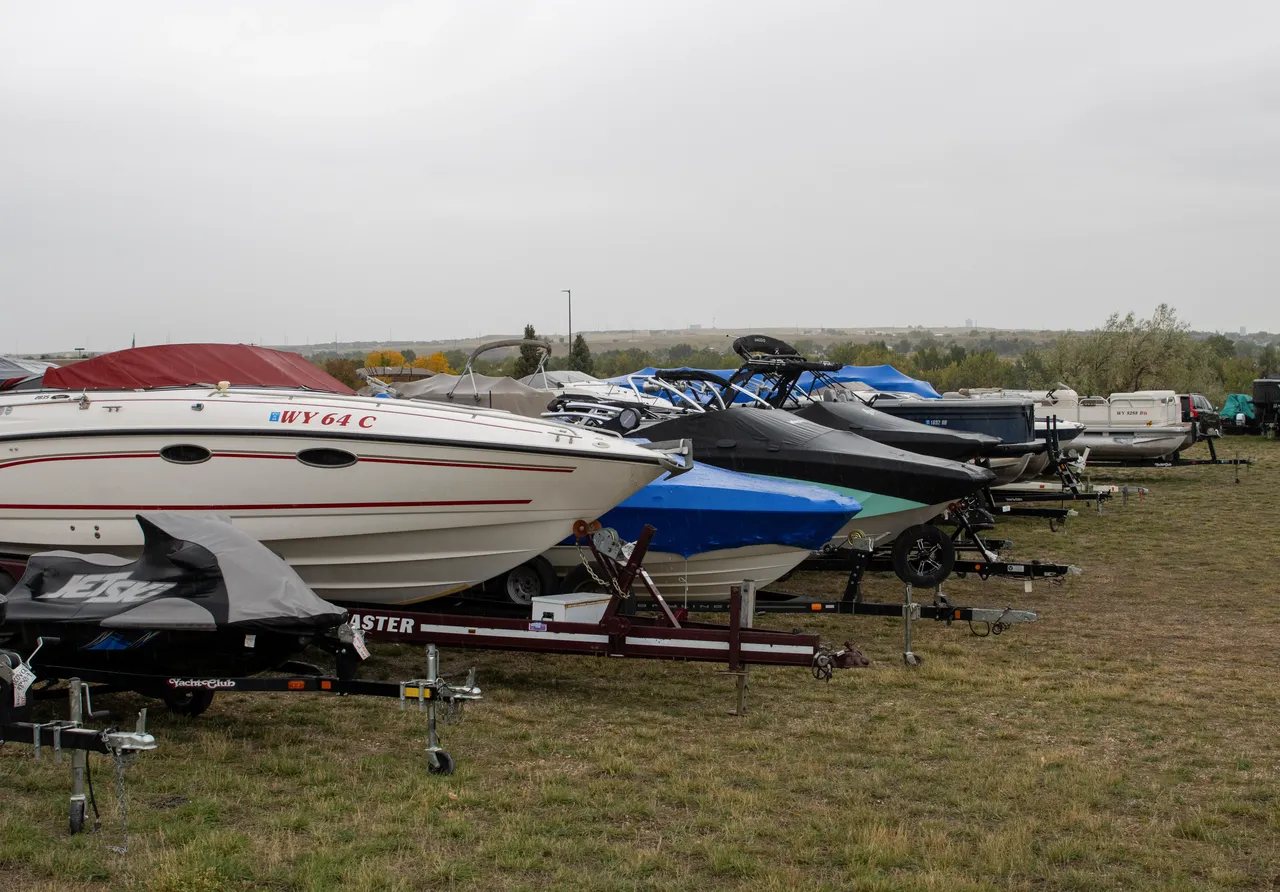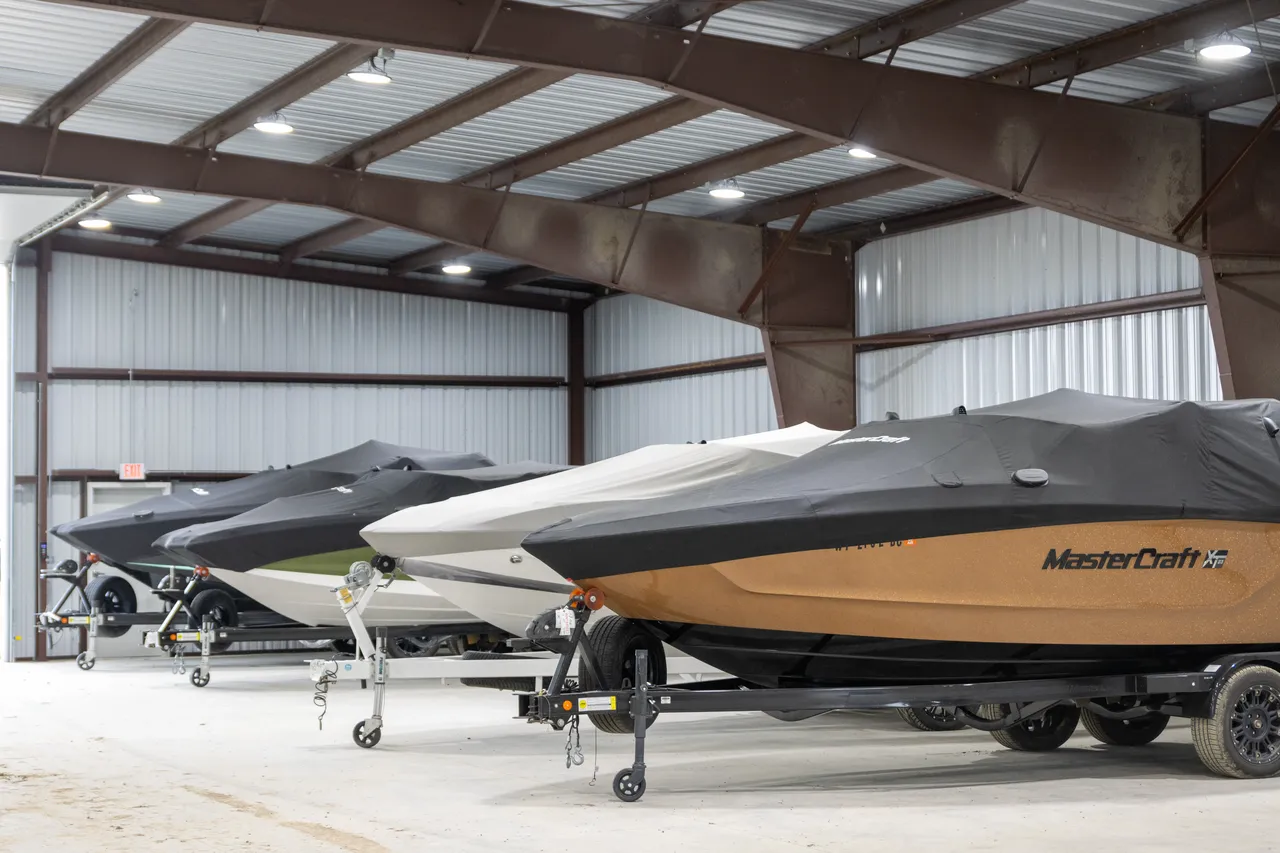
A boat trade in can be easier to discuss when you have the boat’s basic details, condition notes and ownership information organized before you contact a dealer. If you are preparing for a boat trade in Casper this November, a little fall preparation can help you explain what you own and ask clear questions about next steps.
What Should You Gather Before a Boat Trade-In?
Start by collecting information that identifies your boat and describes its history. You do not need to guess at a value or make a sales pitch; accurate details give the dealership a clearer starting point for a conversation.
Make, model and year: Write down the manufacturer, model name and model year as shown on your ownership documents or boat identification information.
Ownership information: Gather available title, registration and purchase records. If there is a loan or lien, note what you know and prepare to ask what information is needed.
Equipment and changes: List included equipment and any significant changes you have made. Be clear about what is included with the boat and what is not.
Maintenance history: Collect service invoices and maintenance records if you have them. Note when and where work was done, without trying to fill in gaps from memory.
Usage details: Be prepared to describe how you have used and stored the boat and any known periods when it was not in use.
If a document is missing, make a note of that rather than assuming it will prevent a conversation. Ask Casper Marine & Rec. what records are useful for your situation.
How Should You Describe Your Boat’s Condition?
Give a straightforward account of the boat’s current condition, including issues you already know about. A factual description is more useful than minimizing a problem or trying to diagnose something you are unsure about.
Before making contact, walk around the boat and note visible wear or damage, the condition of the interior, and any equipment that does not work as expected. Write down mechanical concerns, warning lights, repairs that are underway, or questions you have noticed during use. Distinguish between something you have observed and something you suspect.
Photographs can help you keep a record of the boat’s present condition and identify areas you want to discuss. Take clear photos of the overall boat and any visible concerns. Photos do not replace a conversation or an evaluation, but they can help you explain what you are seeing.
There is no need to make a repair simply because you are considering a trade. If you are weighing a repair, ask whether it is worth doing before you proceed. Do not assume that a repair will increase a trade-in figure by the amount it costs.
What Questions Should You Ask About a Boat Trade-In?
Ask how Casper Marine & Rec. handles trade-in discussions and what information the dealership needs to consider your boat. The dealership offers a trade-in page, which is a useful place to begin.
Questions to prepare include:
What boat details and ownership documents should I provide?
Would you like to review photographs or see the boat in person?
How should I describe a known mechanical issue or incomplete service history?
What steps should I expect before deciding whether to move forward?
If I have a loan or lien, what information should I have available?
Can I discuss a possible trade before choosing my next boat?
Terms and outcomes depend on the specific boat and the dealership’s review, so ask about your circumstances rather than relying on assumptions. A trade-in discussion is also a chance to explain what you hope to do next, whether you are changing boat types, adjusting your budget or simply exploring options.
How Can You Plan Your Next Boat at the Same Time?
Make a short list of what you want in your next boat before you start comparing options. Consider how you plan to use it, how many people typically go with you, what kind of water you visit and which features matter most. Also set a budget range that accounts for more than the boat’s listed price.
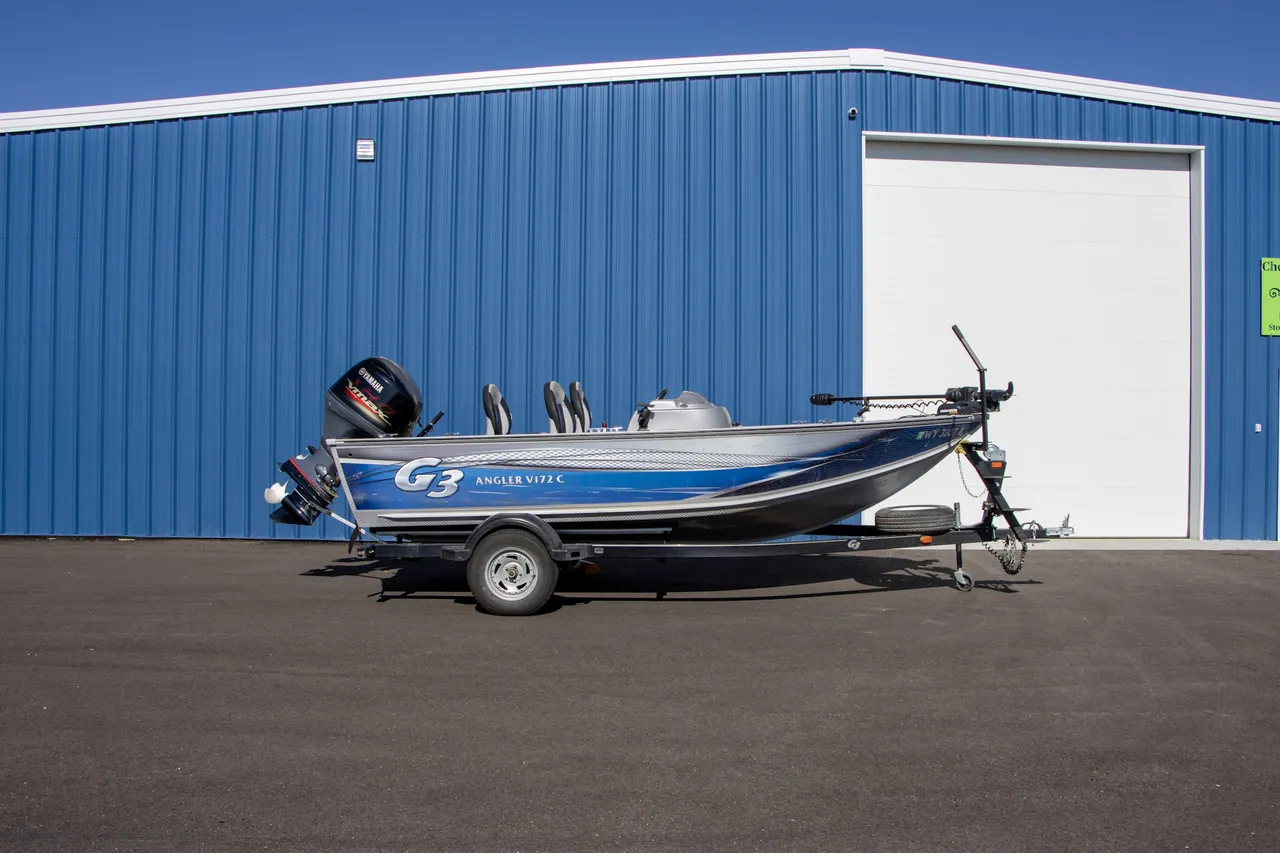
Casper Marine & Rec. has boats listed in several classes, including fishing boats, a bow rider, a pontoon and personal watercraft. For example, the 2016 G3 Angler V172 C is listed as Pre-Owned and in stock for $15,500. Looking at current listings can help you identify the kinds of boats you want to ask about, but availability and fit should be confirmed with the dealership.
Keep financing questions separate from assumptions about trade value. If you plan to finance a purchase, note what you want to understand about the application and available terms, then ask the dealership directly. You can also review Casper Marine & Rec.’s financing page as part of your preparation.
Why Prepare in November Instead of Waiting?
November can be a practical time to organize boat information while details from the recent boating season are still familiar. You can write down issues you noticed, gather receipts and think through next season’s plans without rushing to make a decision.
Fall preparation does not guarantee a particular trade value or make every boat a fit for trade. It does help you enter the conversation with a clearer record and more focused questions. If you are in Casper or the surrounding area, Casper Marine & Rec. has served Wyoming boaters since 1970 and is located at 3010 Energy Lane in Casper.
What Is the Best First Step?
The best first step is to organize your boat’s details and contact Casper Marine & Rec. to ask what is needed for a trade-in conversation. Gather the information you have, be candid about condition and history, and explain what you hope to buy next. To get started, visit the trade-in page or browse the dealership’s boat inventory.